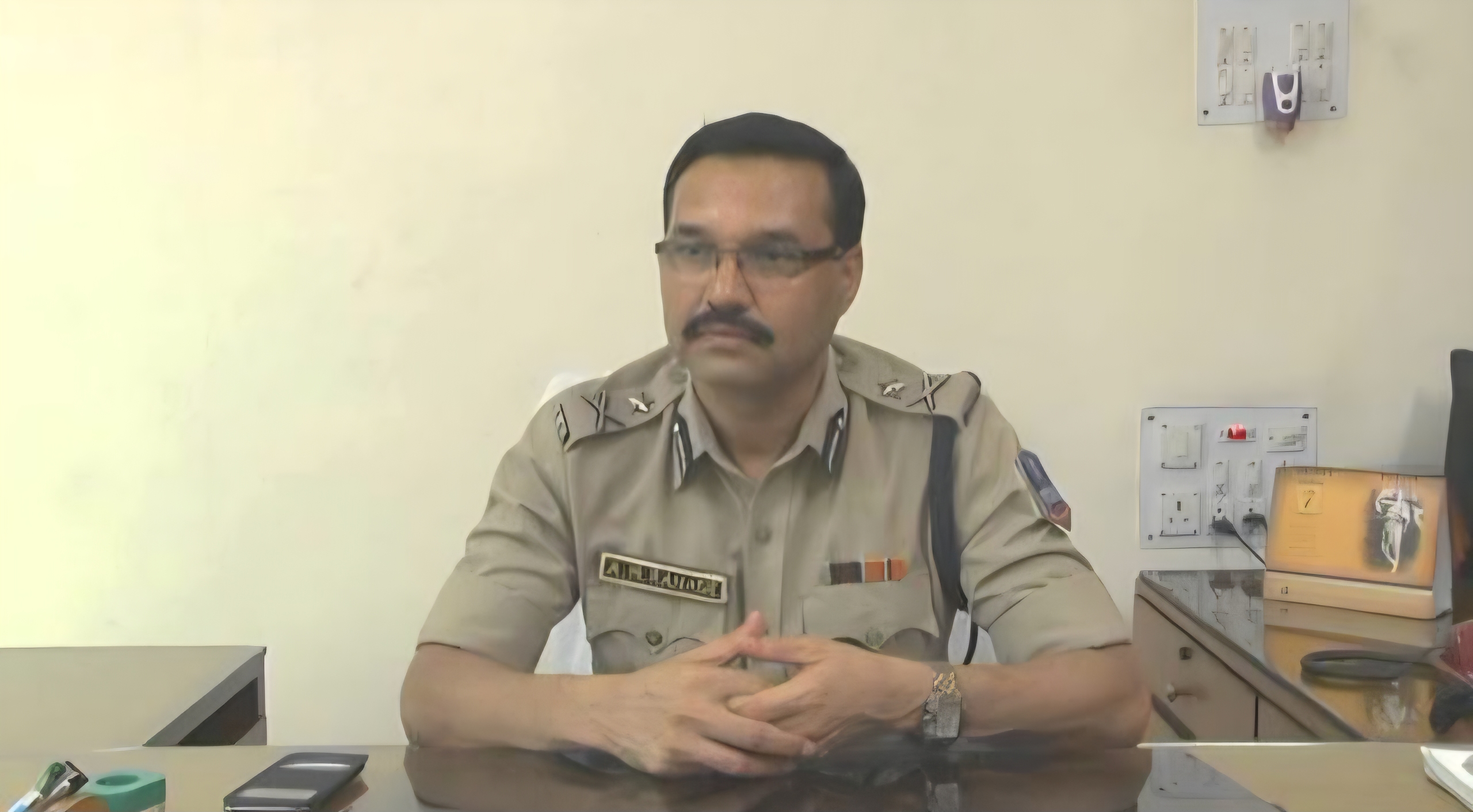
Bengal Govt elevates IPS Ajay Mukund Ranade to DGP (Law and Order)
.gif)

Download Mobile App 







In a dramatic turn of events that's rippling through Nepal's travel and tourism sectors, Tribhuvan International Airport (TIA) in Kathmandu has been thrust into complete lockdown, stranding thousands of passengers and halting all flight operations amid surging civil unrest and alarming safety threats. The closure, announces, stems from escalating protests by Gen-Z activists clashing with authorities, resulting in at least 19 deaths, and a separate incident where royalist groups ignited fires dangerously close to the airport in the Gothatar area, near the Nepal Oil Corporation depot.
A senior official from the Civil Aviation Authority of Nepal (CAAN) confirmed the shutdown, emphasizing that it was a necessary step to protect air safety after guiding incoming aircraft to safe landings. "All remaining flights were canceled, and the airport has been closed until further notice," the official stated, as the Nepal Army was swiftly deployed to fortify the premises. This unprecedented full closure—beyond the airport's routine nighttime shutdowns for runway upgrades—underscores the severity of the nationwide turmoil, which has already prompted heightened alerts for VIP movements and disrupted Nepal's fragile economic recovery.
The unrest has been building over recent days, fueled by Gen-Z-led demonstrations demanding political reforms and an end to perceived government overreach. Monday's protests turned violent, with security forces intervening forcefully, leading to the tragic loss of 19 lives and widespread chaos in Kathmandu's streets. Reports indicate that protesters have targeted key infrastructure, raising fears of sabotage at vital sites like TIA. In a parallel escalation, royalist factions—advocating for the restoration of the monarchy—set fires near the airport's vicinity, though the blazes were contained before reaching the Nepal Oil Corporation depot. Firefighters were mobilized immediately, but the incidents created a volatile atmosphere, with smoke and uncertainty blanketing the area. Passengers already at the airport described scenes of panic, with announcements echoing through terminals as flights were grounded one by one.
TIA, Nepal's sole international airport and a bustling hub handling over 8 million passengers annually, is no stranger to disruptions—from routine 10-hour nightly closures for taxiway expansions set to continue until March 2025, to past incidents like runway overshoots and baggage mishaps. However, this full daytime shutdown marks a rare and concerning escalation, prioritizing public safety over operations. The Civil Aviation Authority acted decisively after assessing the risks, ensuring no aircraft were left vulnerable in the air. Stranded travelers, including international tourists en route to trekking seasons in the Himalayas, have been left in limbo, with airlines scrambling to reroute flights to alternative regional airports like those in Pokhara or Biratnagar, though capacity is limited.Security has been ramped up significantly, with the Nepal Army taking control of the airport grounds to prevent any spillover from the protests.
Government directives have instructed TIA staff to remain on high alert, particularly for managing VIP arrivals amid the unrest. This deployment comes as authorities brace for potential further demonstrations, with the fire department on standby to tackle any additional arson threats. Local residents near Gothatar expressed relief that the fires were extinguished quickly but voiced concerns over the broader instability, which has already impacted daily life and commerce in the capital.The economic fallout from this closure could be substantial for Nepal, a nation heavily reliant on tourism and remittances.
Airlines operating routes from India, China, and Europe have reported cancellations, potentially costing the industry millions in lost revenue at a time when the country is still recovering from earlier floods and infrastructure challenges. Travel agencies are advising against non-essential trips, while the government works to restore order. Experts warn that prolonged disruptions at TIA could deter visitors during the peak fall season, exacerbating financial strains on hotels, guides, and local businesses.As Kathmandu grapples with this multifaceted crisis, the focus remains on de-escalating tensions and reopening the airport swiftly.
Officials have promised updates on resumption, but for now, the skies over Nepal are eerily quiet. This incident highlights the delicate balance between security and connectivity in a country where aviation plays a pivotal role in national life. Travelers worldwide are urged to monitor advisories, while Nepalis hope for a peaceful resolution that allows normalcy to return to their gateway to the world.



.webp)





 West Bengal
 Bihar
Bihar Uttar Pradesh
 Jharkhand